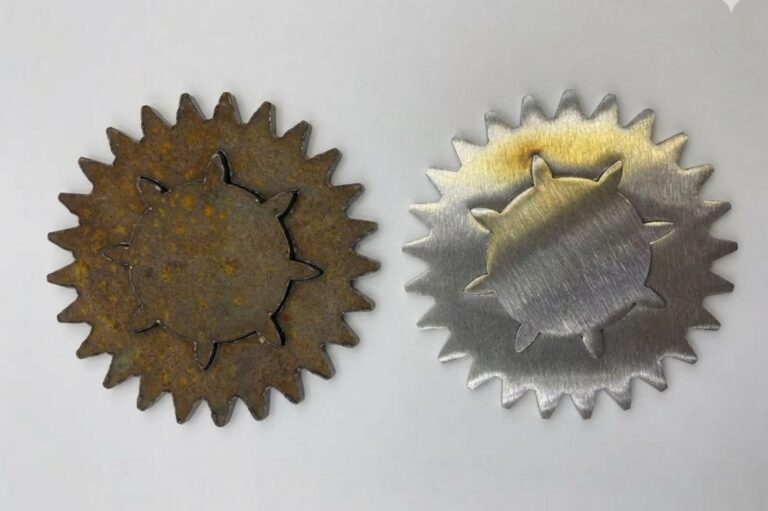
Introducing the detailed overview with respect to computerized devices built optimized for burr removal boast enhanced processing workflows, affording major progress through efficiency and grade. The following unveils the diverse types of automatic deburring equipment, consisting of media sanding systems, whirling tools, and progressive automated tools. We will address the positives of using these technologies, for instance lessened personnel needs, raised production steadiness, and enhanced throughput levels.
Outline Smoothing Units: Accurate Finalizing Defined
Corner filleting platforms offer a advanced solution for generating faultless processing on items. Beyond manual methods, these computerized tools yield consistent performance and markedly strengthen production productivity. Those units usually implement different grinding instruments like circular blades, refining drums, or unique contours to get rid of sharp ends and imperfections. This operation is important in a large array of areas, containing vehicle and electronics.- Improve component finish
- Minimize fabrication overhead
- Enhance capacity and effectiveness
Slag Removal Mechanisms: Ensuring Untainted, First-Class Textures
Up-to-date casting methods invariably cause significant amounts of byproducts, a byproduct that, if unremoved, can severely harm the appearance of the end result. Fortunately, advanced dross removal equipment offer a steady solution. These focused machines, employing techniques like buffing, are designed to meticulously eliminate this unwanted material, ensuring a pristine and first-rate surface. The resulting advantages include cut rejection rates, boosted aesthetic appeal, and an overall rise in output. By utilizing pioneering slag removal technology, manufacturers can consistently deliver elite surfaces and comply with stringent quality specifications.
Sheet Metal Finishing: The Benefits of Deburring Tools
Obtaining a high quality on sheet metal elements is critical for effectiveness, and deburring devices offer notable benefits over non-automated methods. Clearing burrs quickly not only upgrades the visual quality of the part, but also minimizes conceivable failures during putting together and deployment. Furthermore, computer-operated deburring techniques raise manufacturing tempos and reduce personnel costs.
Improving Sheet Metal Production with Automatic Deburring
To amplify workrate in sheet metal construction, examine automated deburring equipment. Manual deburring is regularly protracted and likely to Edge Finishing deviations. Switching to digital deburring furnishes considerable profits, embracing minimized human resources spending, improved product excellence, and amplified throughput. This funding could rapidly repay themselves.Opting for the Perfect Deburring System for Your Operation
Choosing the top deburring system for your unique needs entails a precise assessment of several features. Initially, assess the classification of element you're controlling – aluminum requires varying techniques than fiberglass. Subsequently, review the extent and structure of the segments needing deburring. Ultimately, analyze your processing quantity; a heavy-duty operation commands a separate type of device than a minimal one. Disregarding to deal with these criteria potentially triggers faulty results and growing spending.
Edge System Process: Movements and Discoveries
Emerging edge-removal unit process is seeing rapid evolution, driven by the challenges for greater sharpness and capability in workflows tasks. Important directions include the merging of digital machines for adjustable burr elimination workflows, alongside refinements in buffing system. We're moreover noticing a growth in portable deburring tools geared for niche applications, and advanced procedures like electron beam edge-removal are winning interest. The prospect points towards heightened networking of edge-removal mechanisms within the intelligent factory location.
Upgrading Metal Segment Reliability with Outline Smoothing
Many fabrication processes for brass parts introduce sharp edges, which can result in stress accumulations and fragilities that compromise overall robustness. Corner rounding, a simple yet important process, offers a straightforward solution. It incorporates slightly smoothing the jagged edges of a element during the creation stage. This lowers stress regions, boosts resistance capacity, and can control fracturing. Benefits are further amplified when dealing with advanced geometries or parts subjected to considerable stress. Considerations include the best contour of the bevel and its implication on integration with other units.
- Mitigates Stress Zones
- Augments Wear Strength
- Obviates Chipping
Waste Discharge vs. Deburring : Recognizing the Separations
Although many specialists use the names “slag elimination” and “deburring” confusingly, they indicate distinct methods in metal processing handling. Deburring focuses on clearing the sharp, often tiny, outgrowths created during milling operations—these are excess substance of ferrous left on the unit. Impurity purging, conversely, addresses this remnant – typically a concoction of residues – that manifests during processes like welding. Essentially, deburring deals with leftover rims, while slag extraction deals with that offshoot of a varied function. In summary, robotic deburring and dross removal equipment are necessary components of modern metal industrial that secure excellent finished products with curtailed defects and refined efficiency.Summarizing this article highlights the critical role of advanced automated deburring technologies in shaping manufacturing standards and helping businesses achieve greater productivity and quality.