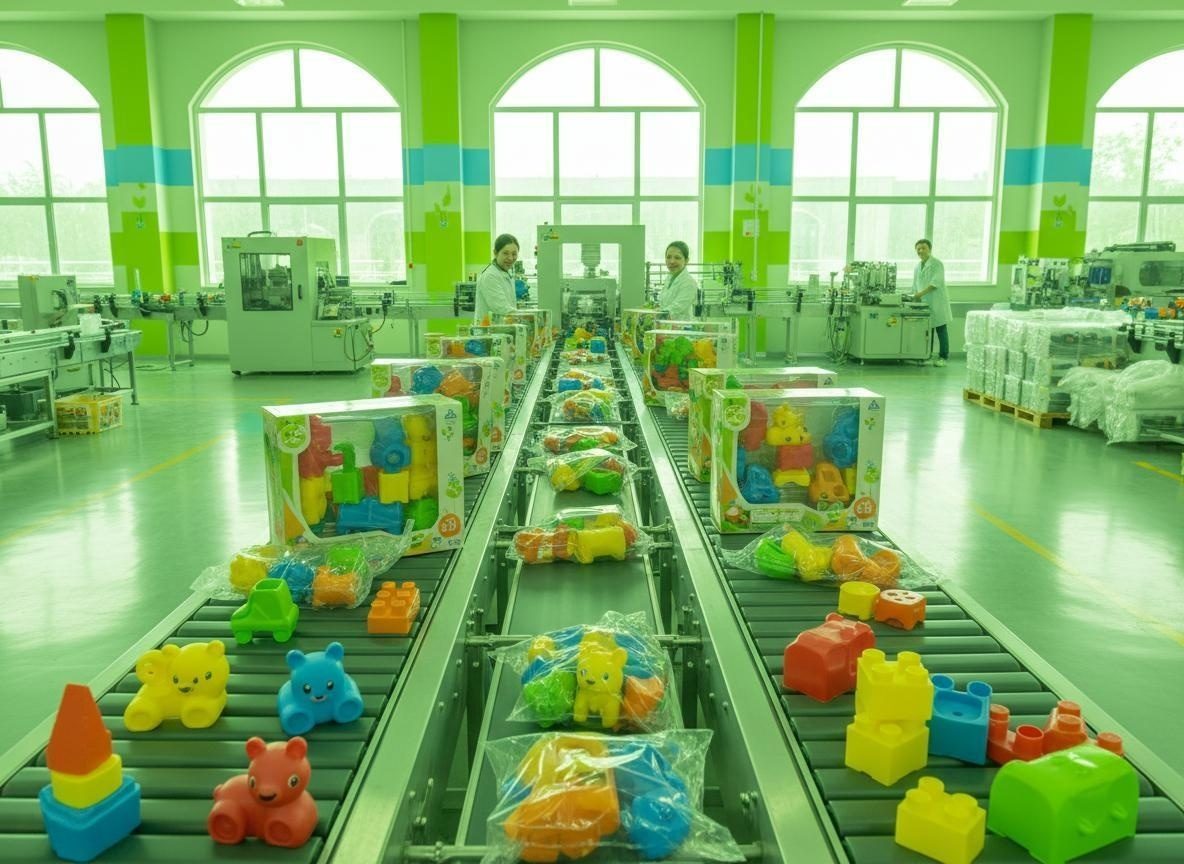
Beginning this exploration about Modified Crop Oleic Acid (ESO)
{Rising worries regarding standard agents show triggered which demand in eco-conscious alternatives. Epoxidized soybean oil (ESO) arises as a hopeful candidate. Extracted from a green feedstock, ESO delivers a substantial lowering in dependence on synthetic fuels and plays to a improved regenerative framework. Besides, ESO confers favorable pliability and blendability to multiple plastic materials, supporting it a ideal possibility for a expansive variety of purposes.
Odor-Reducing Medical Type ESBO: Conforming-To Severe Criteria
Our development of low-odor medical grade ESBOs represents a important evolution in patient care and contentment. Traditional ESBOs often feature noticeable odors, which can be off-putting for both patients and practitioners. Our new formulation utilizes innovative technology to suppress odor generation, aligning with rigorous sector standards. These ESBOs are produced from exclusive materials and undergo in-depth testing to verify biocompatibility and optimal performance. Explicitly, this offering addresses the growing need for gentle procedures with a profitable patient experience.
- Supplies exceptional odor control.
- Adheres to required healthcare regulations.
- Crafted for maximum patient contentment.
High Resistivity ESBO: Enhancing Electrical Properties in Plastics
One novel procedure, Electrostatic Barrier Formation (ESBO), renders a encouraging route for upgrading the electronic attributes of different material substrates. By accurately regulating frontal electricity spreading, ESBO constructs extraordinarily non-polarized membranes on the thermoplastic underlayer, substantially diminishing overall transmission. This impacts lead to superior conductive segregation and possibility for applications in environments particularly flexible gadgets and potent protection frameworks.Safe Softener: ESBO's Role in Environmental Matrix Uses
Such expanding need for environmentally conscious resources has led engineers to study equivalents to traditional plasticizers. Presenting ESBO (Epoxidized Soybean Oil), such sustainable plasticizer collected from soybean – assuming crucial responsibility in advancing the responsible development of wide-ranging thermoplastic services. The ability to enhance ductility and manipulation though curtailing biotic outcome leads to ESBO a choice for biodegradable-polymer layers and different compound materials.ESBO Performance: Comparing Grades and Applications
Investigating particular efficacy requires a comprehensive review at both instructional evaluations and the total of sent proposals. Commonly, a solid correlation is found between outstanding scores and the probability of approved submissions; however, factors such as applicant practice and additional engagements can also influence a decisive contribution.
Fathoming Epoxidized Soybean Oil (ESBO) and its Benefits
Epoxidized soybean Oil (ESBO) is a modified form of crop oil, produced through a chemical process that adds epoxy groups. One causes a particular plasticizer and stabilizer, widely adopted in the synthetic industry. ESBO operates primarily as a surrogate for hazardous phthalate plasticizers, giving a more clean solution. Observe the key benefits:- Elevates flexibility and longevity of synthetics
- Diminishes the dependency for dangerous phthalates
- Provides excellent heat endurance
- Functions as a protectant against degradation
- Advocates a nature-positive creation process
Clinical Equipment Manufacturing: Leveraging Low-Odor ESBO
Recent trends in medical technology FAME Lubricant manufacturing are pushing a switch toward resource-efficient processes. A significant component of this is the application of low-odor ESBO (Embossed, Stuccoed, Bonded, and Oven-cured) polymers. Traditional ESBO manufacturing can exude noticeable smells, posing a hurdle for occupational safety and entire facility ambience. Low-odor ESBO solutions minimize these releases, creating a cleaner workplace and can softening the necessity for comprehensive ventilation.- Perks include refined air quality.
- Minimizes exposure to unsafe VOCs.
- Promotes alignment with exacting regulatory criteria.
Boosting Plastic Durability: The Power of High Resistivity ESBO
Increase substances' long-term resilience using premium hindrance ESBO. That cutting-edge process profoundly mitigates degradation prompted from external influences, including solar light even repeated pressure. The compound's distinct electrostatic properties create particular covering consequence, bringing forth with protracted operational life and/or improved element strength.
ESBO: Innovations with Modifiers
Appearing as a influential remedy to traditional, petroleum-based modifiers, ESBO (Ethyl Soyate-based Oligomers) is attracting considerable attention within the resins industry. Derived from the soybean, this bio-based blend offers a eco-conscious profile and the possibility to minimize the carbon footprint of vinyl and other utilizations. First findings indicate exceptional behavior comparable to usual plasticizers, suggesting ESBO could be a significant factor in shaping the outlook of the softening market.Completing our study.