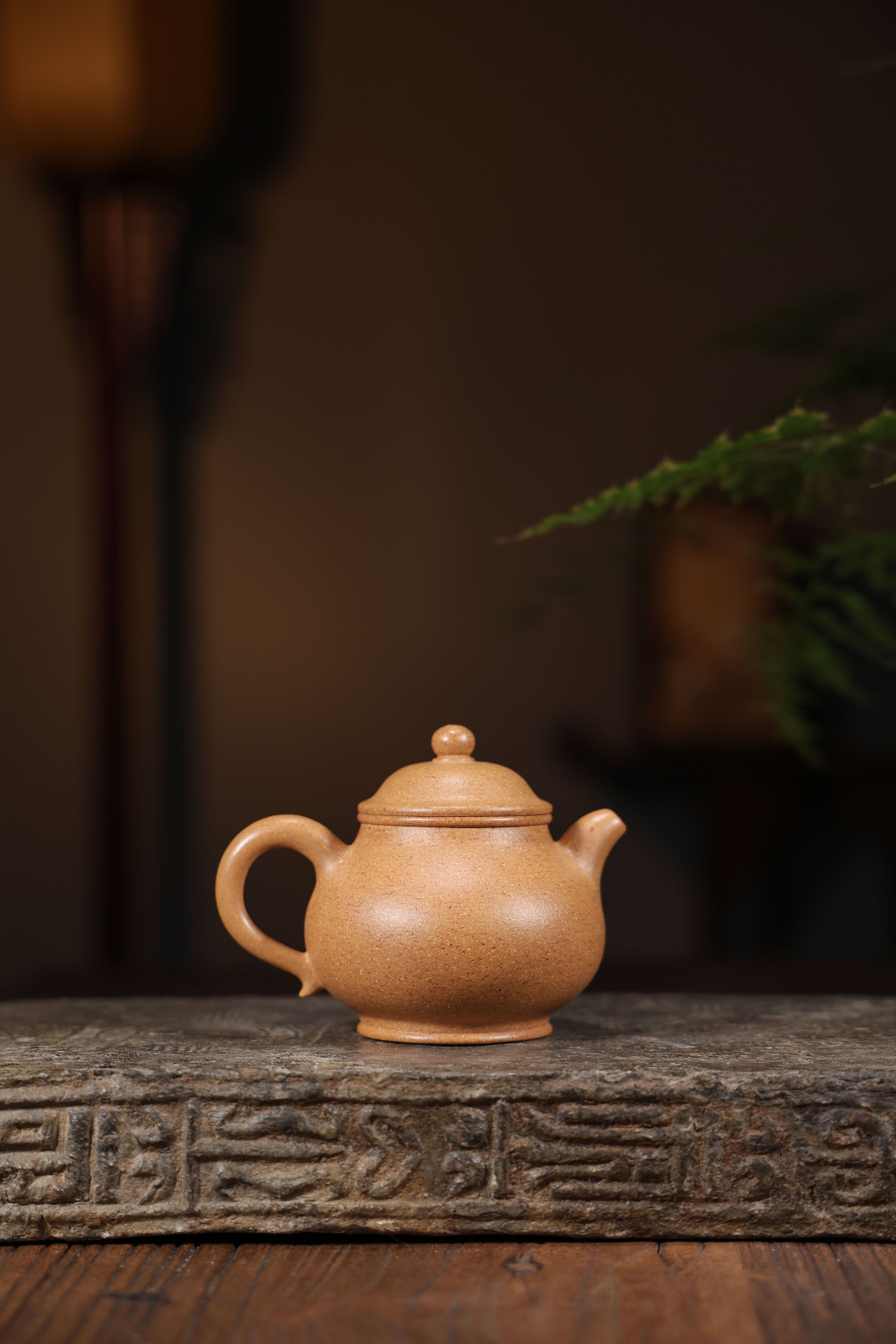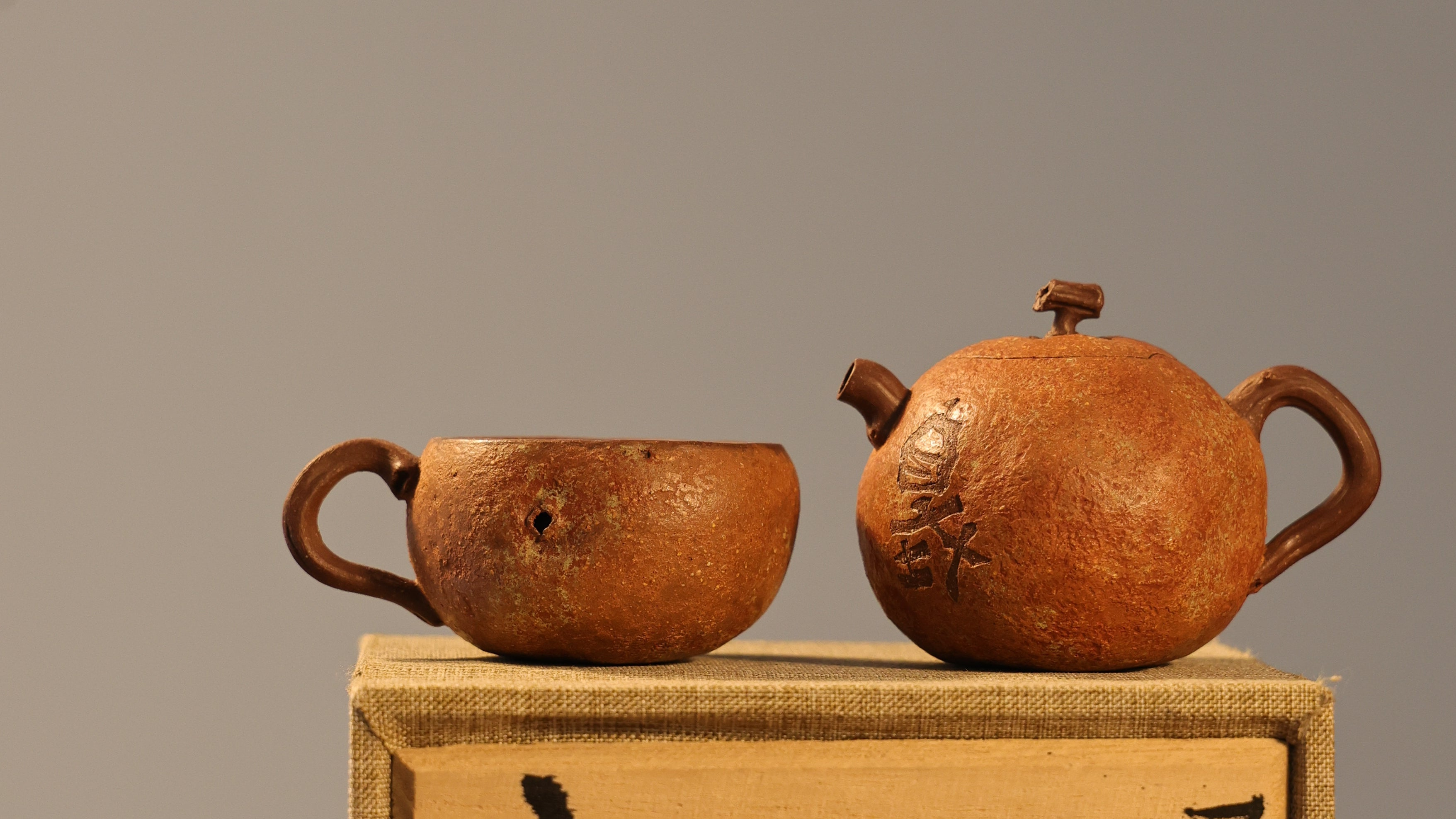
Eras in collectors have valued the singular charm of Yixing Zisha containers. Existing in the cozy town of Yixing, the land, these amphorae are produced from a infrequent and collected purple clay celebrated for its notable thermal characteristics and facility to improve the essence of concoctions. Other than their functional merit, Zisha teapots symbolize a rich historical inheritance, resulting them markedly prized and a veritable wonder for any committed teapot connoisseur.
Exploring Yixing Clay Pots
Yixing teapots embody a distinct integration of history and expert craftsmanship. Existing in Yixing, Jiangsu Zone of China, their narrative begins from the Ming Dynasty, although traces suggest earlier iterations. The unique wine-colored clay, called Zisha, found particularly in the Yixing region, is the integral component, contributing to the pots' outstanding heat stability and the manner they influence the notes of tea. Periods of potters have perfected techniques—often relayed through families—including molding the clay, applying exquisite embellishments, and firing the pots at consistent temperatures.- Initially, Yixing teapots were often adorned with simple designs.
- Thereafter, more sophisticated carvings and graphic motifs became accepted.
- The firing process itself is a critical element, requiring extended spans of practice.
Obtaining Zisha Teapots: Critical Guidelines
Embarking on a expedition to procure Zisha earthenware can be fruitful, but it’s essential to comprehend what to consider. Authenticity is key; focus on the component’s natural shade, a soft reddish-brown is conventional. Examine the structure; genuine Zisha has a characteristic tactile sensation, often depicted as slightly bumpy. The design should be symmetrical and consistent with classic styles, while signatures, if present, require close examination for legitimacy. Don’t shy away to consult with savvy specialists or reliable materials – their awareness is critical.
Chinese Kettles: Understanding the Practice of authentic Purple Earth
Ages have seen Yixing Zisha teapots maintain a remarkable role in Chinese custom. These exquisitely made pots, sourced exclusively from the locale of Yixing, are celebrated for their distinctive color, quality, and their ability to refine the aroma of brews. Many collectors acquire antique Yixing teapots, coveting them Yixing Teapot considerably not only for their aesthetic appeal, but also for the history they represent.
Yixing Zisha Teapots: An Premier Forms and Their Details
Purple Clay teapots, rooted in the renowned section of Yixing, China, are esteemed for their special clay and high-quality brewing qualities. In the many Zisha types, particular sorts that are highly valued include Binzhou Purple Sand. Binzhou, known for its vivid purple shade and silky texture, delivers a moderate flavor. Duan Ni subclass, recognizable by its coppery color and a little grainy feel, is thought to enhance tea’s robustness. Lastly, Zhuni form boasts an rare burgundy tone and can give a delightful nuance. Each variety supplies a different experience, rendering them exceptionally desirable for tea enthusiasts.
Conquering A Earthenware Cup
To tap into the full potential of your Yixing urn, appreciating the correct approach is crucial. These clay containers, celebrated for their porosity, will steadily develop the quality of the tea you formulate within them. Begin by cleansing the container thoroughly with clean water. Then, use only high-quality raw leaf tea, as lower quality options can weaken the teapot’s delicate aroma. Always allow the leaves to grow completely, and remember that with each steeping, your Yixing kettle will become perpetually distinct.
Safeguarding Your Beloved Zisha Item
Proper maintenance for your Zisha urn is necessary to preserving its durability and worth. Zisha clay, celebrated for its unique pigmentation and surface, requires careful handling. Never use intense chemicals, as these can undermine the film. After every use, rinse the jar with mild water and allow it to evacuate moisture completely.
- Eschew soaking the kettle for extended stretches.
- Occasionally use a soft piece of cloth to wipe the exterior.
- Reflect on applying a thin layer of food-grade mineral oil inside the pot after drying, which can diminish staining.
Getting Started with Yixing Pitchers
Yixing clay pots, originating from the Yixing locale in Jiangsu Province, part of China, are celebrated for their distinctive aspects. Crafted from the unique purple soil known as Zisha, these kettles are prized by liquid enthusiasts worldwide. This guide will simply explain the core elements – covering forms of Zisha ground, favored shapes, and key care tips. Understanding the background of Yixing clay pots can improve your appreciation for this esteemed example of Eastern artistry.
Skill of Zhongguo Vessels: Spotlighting Zisha made in the Yixing district
Zisha earth from the Yixing area represents the zenith of Zhongguo pot design, featuring a uncommon composition of raw beauty and functional artistry. These extraordinary pieces are noted for their vibrant color schemes, often ranging from strong purples and chestnut hues to soft greys and delicate beiges. The defining mineral composition of the exclusive Zisha material imparts a typical texture and renders a enjoyable aroma that elevates the comprehensive potion experience, causing them exceptionally valued collectibles and vital components of any serious custom.