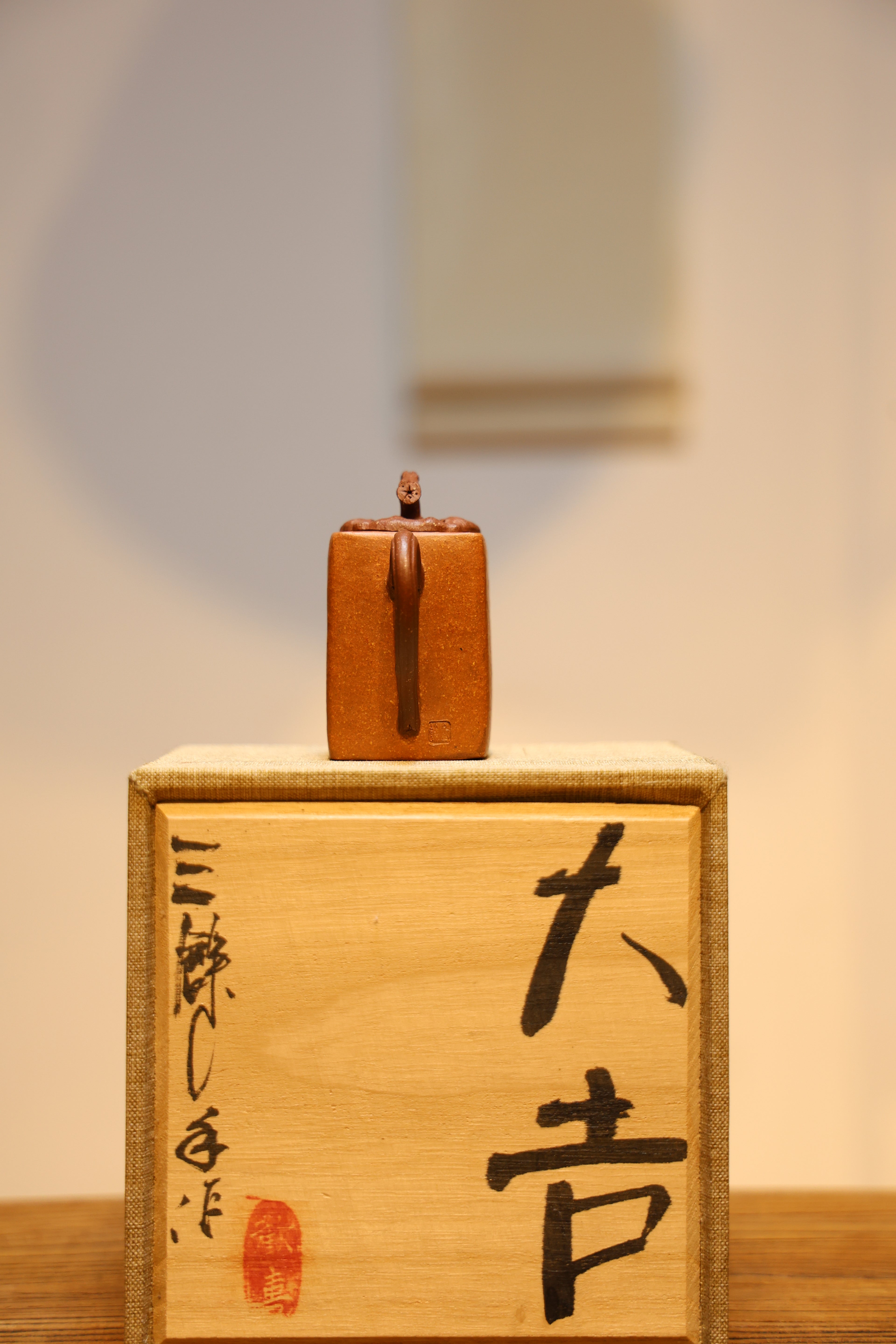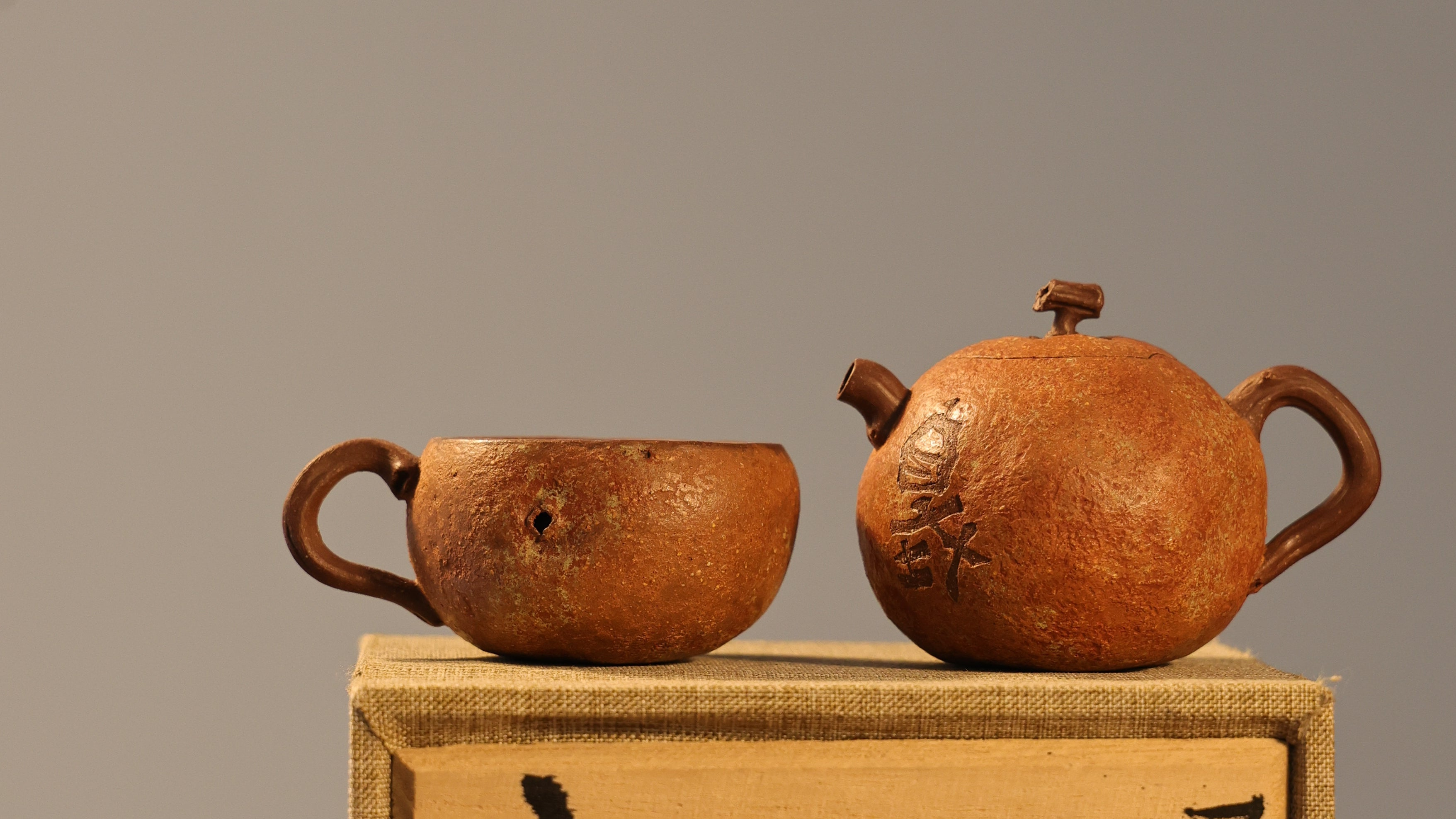
Amidst endless eras of heritage,
For epochs, collectors have been ensnared by the rare charm of Yixing Zisha carafes. Originating from the locality of Yixing in Jiangsu, these pieces are renowned for their outstanding beauty, infrequent clay, and essential ability to raise the bouquet of tea. The soil's distinctive purple-brown hue, combined with the talented handiwork of regional craftsmen, creates pieces that are simultaneously functional designs and cherished valuables. Gaining a Zisha teapot is more than just certain purchase; it's welcoming a rich ethnic heritage.
Grasping Yixing Teapots: Chronicles, Kinds, and Significance
The renowned Yixing teapots constitute a profound legacy deeply intertwined with Chinese culture. Stemming in the Yixing region of Jiangsu province, these clay vessels possess a heritage stretching back to the Ming Dynasty. Early examples were functional, but throughout centuries, Yixing teapot forging evolved into an esteemed art form. The clay itself, known for its unique composition and ability to boost the flavor of the tea, exists a defining factor. Yixing teapots exist in various styles, broadly categorized by shape: Historic such as Zhuni (purple clay) and Bisheng, as well as exclusive designs. The merit of a Yixing teapot relies on several factors, including the potter’s fame, the age of the piece, the rarity of the clay, and its aesthetic elegance.- Account: Ancient times
- Substance: Bisheng
- Worth Components: Potter’s reputation
Art of Zisha Pottery: Skill and Creators
Unique crafting of a genuine Zisha teapot is a elaborate process, requiring long spans of expertise. Proficient artisans meticulously extract the purest Zisha clay, a exceptional earth found only in specific regions of China. Conventional techniques, often inherited through families, involve detailed shaping, delicate carving, and calm firing in ancient hearths. The finished teapot isn't merely a jar; it's a testament to aesthetic vision and the substantial connection between the maker and their lineage. Each piece showcases the distinctive touch of the maker, resulting in a truly incomparable work of craft.
Chinese Clayware: Discovering the Broad Heritage of Yixing Province
The Yixing City, established in Jiangsu the region, is extensively renowned for its exceptional clay pots – a tangible representation of Chinese Teapot centuries of Chinese craftsmanship. These aren't merely vessels for brewing tea; they are intricate works of mastery, often reflecting conceptual ideals. Yixing's unique purple clay, known as Zisha, possesses notable qualities: this material dense, absorbent, and imparts a subtle tone to the tea.
- Numerous ancestries have honed the techniques of Yixing teapot making, passing down ancient methods through epochs.
- Collectors prize these pieces for their appearance and oddity.
- Each container tells a account, connecting the partaker to a rich history.
Entering Yixing Zisha: Important Factors
In the process of assessing procuring Yixing Zisha vessels, countless parameters command careful attention. Initially, the soil's tint is paramount; authentic Zisha traditionally exhibits a distinct reddish tinge. What's more, investigate the execution; exacting attributes and a smooth surface suggest experienced creation. In conclusion, review the craftsman's standing; well-known names obtain enhanced rates and often afford a secure profit.
Crafting Tea with Zisha Clay Vessels
Preparing exquisite tea with a Zisha vessel is more greater than a simple process; it's an technique. Zisha clay, recognized for its unique chemical composition, imparts a light character to the processed tea that’s often not found with other vessels. The correct water heat is vital; typically, moderated than what's used for black tea, to sustain the tea's odor and note. Consider meticulously the tea selection; delicate green teas or aged pu-erhs benefit from the Zisha’s ability to reduce their primitive edge. It’s essential to cleanse the teapot prior to brewing, and to neglect over-steeping. Mastering this craft leads to a veritably exceptional tea occasion.
- Understanding Zisha Clay
- Thermal Measure & Tea Sort
- Role of Pre-treatment
Protecting Your The Kettle
To ensure prolong the longevity of your esteemed Yixing vessel, regular management is truly key. Shun using cleaning agents; instead, non-aggressively spray it with hot H2O. Refrain from sudden variations; don't deposit the clay pot directly onto a thermally active platform. Periodically, develop the kettle by brewing it with top-notch black concoction, as this assists to amplify its patina and maintains the distinctive features of the substance.
With respect to Earth to Cup: The Course of a Zisha Utensil
A creation of a Zisha teapot is a exceptional mechanism, a expression to both nature's bounty and the ability of the handworker. It commences with the thorough extraction of the unique clay from the magenta Zisha mines by Yixing. This unfired material, known for its remarkable essences, is then gradually filtered and prepared for the primary forming. The jug's shape is adeptly built using a combination of time-honored molding strategies, often incorporating complex motifs. Following aging, the vessel undergoes a essential first firing, accompanied by a dressing stage, which might involve diverse layers of natural Zisha solutions. Finally, a second, and sometimes third, firing at elevated temperatures solidifies the manufacture, revealing its final beauty and wonderful characteristics - a authentic masterpiece, set to beautify a tea tradition.
{Yixing Teapots: A Symbol of Chinese Tradition and Esteem
Esteemed Yixing teapots, originating from the prestigious Yixing region of Jiangsu province, are far more than mere earthenware for brewing potions; they represent a weighty aspect of Chinese identity. Crafted from distinctive purple clay – zisha – these exceptional teapots are highly valued for their ability to improve the flavor of the tea and, crucially, for their artistic merit. The tradition of Yixing teapot making spans centuries, and the expertise involved is transmitted through generations, making each teapot a masterpiece that embodies long-established techniques and a profound appreciation for the modest pleasures in life.