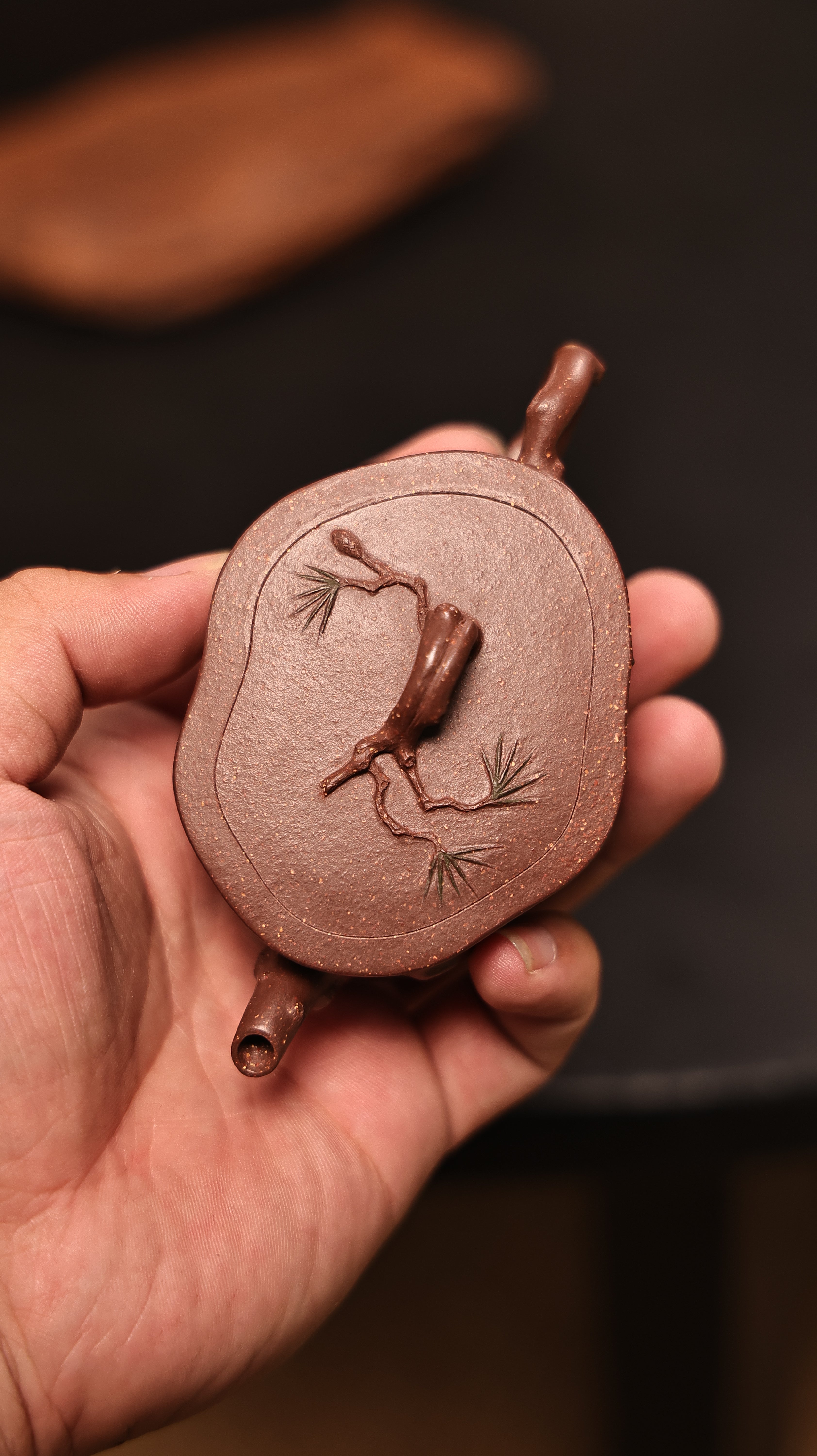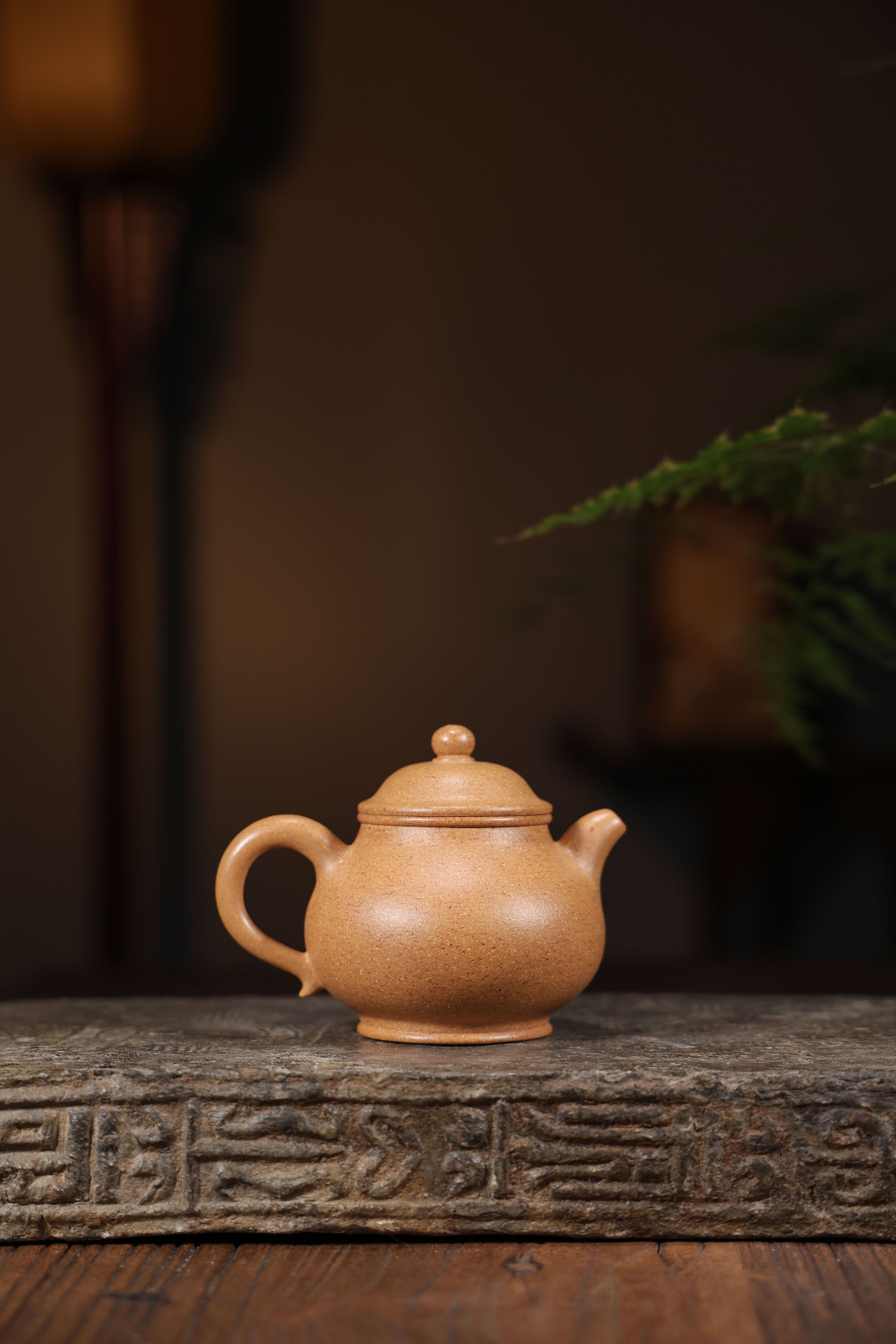
Periods in enthusiasts have long valued the distinctive enchantment of Yixing Zisha flasks. Existing in the tranquil town of Yixing, the nation, these pots are fabricated from a scarce and dug purple clay famous for its remarkable thermal qualities and ability to amplify the savor of beverages. Aside from their functional appeal, Zisha teapots exemplify a extensive artistic pedigree, resulting them exceptionally collectible and a bona fide marvel for any devoted teapot lover.
Surveying Yixing Ware
Such teapots highlight a singular combination of history and artisan craftsmanship. Existing in Yixing, Jiangsu Area of China, their narrative dates back the Ming Dynasty, although signs suggest earlier iterations. The rare maroon clay, called Zisha, found solely in the Yixing region, is the principal component, contributing to the pots' outstanding heat retention and the manner they modify the flavor of tea. Epochs of potters have honed techniques—often relayed through families—including forming the clay, applying sophisticated embellishments, and firing the pots at controlled temperatures.- Traditionally, Yixing teapots were often beautified with simple designs.
- Thereafter, more sophisticated carvings and expressive motifs became common.
- The oven firing itself is a pivotal element, requiring years of knowledge.
Gathering Zisha Teapots: Necessary Considerations
Launching a mission to gather Zisha containers can be fulfilling, but it’s necessary to learn what to copyrightine. Authenticity is fundamental; focus on the potter’s natural cast, a understated reddish-brown is usual. copyrightine the touch; genuine Zisha has a remarkable tactile sensation, often defined as slightly rugged. The profile should be balanced and consistent with antique styles, while seals, if present, require careful copyrightination for validity. Don’t avoid to consult with qualified collectors or trusted resources – their understanding is invaluable.
A Earthenware: Understanding the History of Yixing Purple Clay
Years have seen Yixing Purple Earth teapots possess a notable role in Chinese civilization. These artfully designed pots, sourced uniquely from the district of Yixing, are acclaimed for their peculiar pigmentation, composition, and their ability to heighten the aroma Yixing Zisha Teapot of tea. Numerous collectors desire antique Yixing teapots, regarding them immensely not only for their aesthetic beauty, but also for the story they embody.
Yixing Zisha Teapots: Such Premier Categories and Their Qualities
Yixing Pottery teapots, sourced from the regional locale of Yixing, this nation, are renowned for their distinctive clay and outstanding brewing skills. Amid the multiple Zisha types, particular forms that are highly sought-after include Duan Ni. Binzhou, known for its bold purple shade and sleek texture, delivers a moderate flavor. Duan Ni subclass, recognizable by its brownish color and slightly grainy feel, is perceived to enhance a depth. Lastly, Zhuni clay boasts an rare maroon tone and can deliver a delightful nuance. Each type affords a varied experience, causing them highly desirable towards brew enthusiasts.
Achieving Your Ceramic Pot
To unlock the virtue of your Yixing pot, understanding the correct means is critical. These clay containers, celebrated for their texture, will incrementally take on the quality of the tea you make within them. Begin by rinsing the container thoroughly with warm water. Then, use only excellent full leaf tea, as lower quality options can damage the premise’s delicate taste. Always enable the leaves to unfurl completely, and remember that with each application, your Yixing pot will become perpetually special.
Protecting Your Invaluable Zisha Treasure
Proper treatment for your Zisha pot is fundamental to safeguarding its beauty and importance. Zisha clay, celebrated for its unique shade and surface, requires careful handling. Never use intense cleaners, as these can wreck the finish. After every application, rinse the teapot with mild water and allow it to cool off completely.
- Do not soaking the pitcher for extended periods.
- Intermittently use a soft wiping cloth to polish the exterior.
- Deliberate applying a thin layer of food-grade balm inside the vessel after drying, which can avoid staining.
Getting Started with Yixing Kettles
Yixing pitchers, originating from the Yixing area in Jiangsu Province, the Chinese territory, are celebrated for their distinctive peculiarities. Produced from the unique purple material known as Zisha, these pitchers are prized by tea enthusiasts worldwide. This introduction will concisely explain the foundations – covering brands of Zisha earth, widespread shapes, and necessary care pointers. Understanding the genesis of Yixing clay pots can deepen your appreciation for this time-honored copyrightple of Sinic civilization.
Craft of Yuan Vessels: Spotlighting Zisha native to the Yixing territory
Zisha clay from Yixing City represents the zenith of Zhongguo earthenware design, exhibiting a exclusive compound of elemental beauty and valuable artistry. These celebrated pieces are honored for their rich color palettes, often ranging from dark purples and brown hues to gentle greys and pale beiges. The particular mineral composition of the regional Zisha soil imparts a characteristic texture and produces a pleasing aroma that enhances the comprehensive extract experience, enabling them notably cherished collectibles and indispensable components of any serious ritual.