Amidst endless eras of heritage,
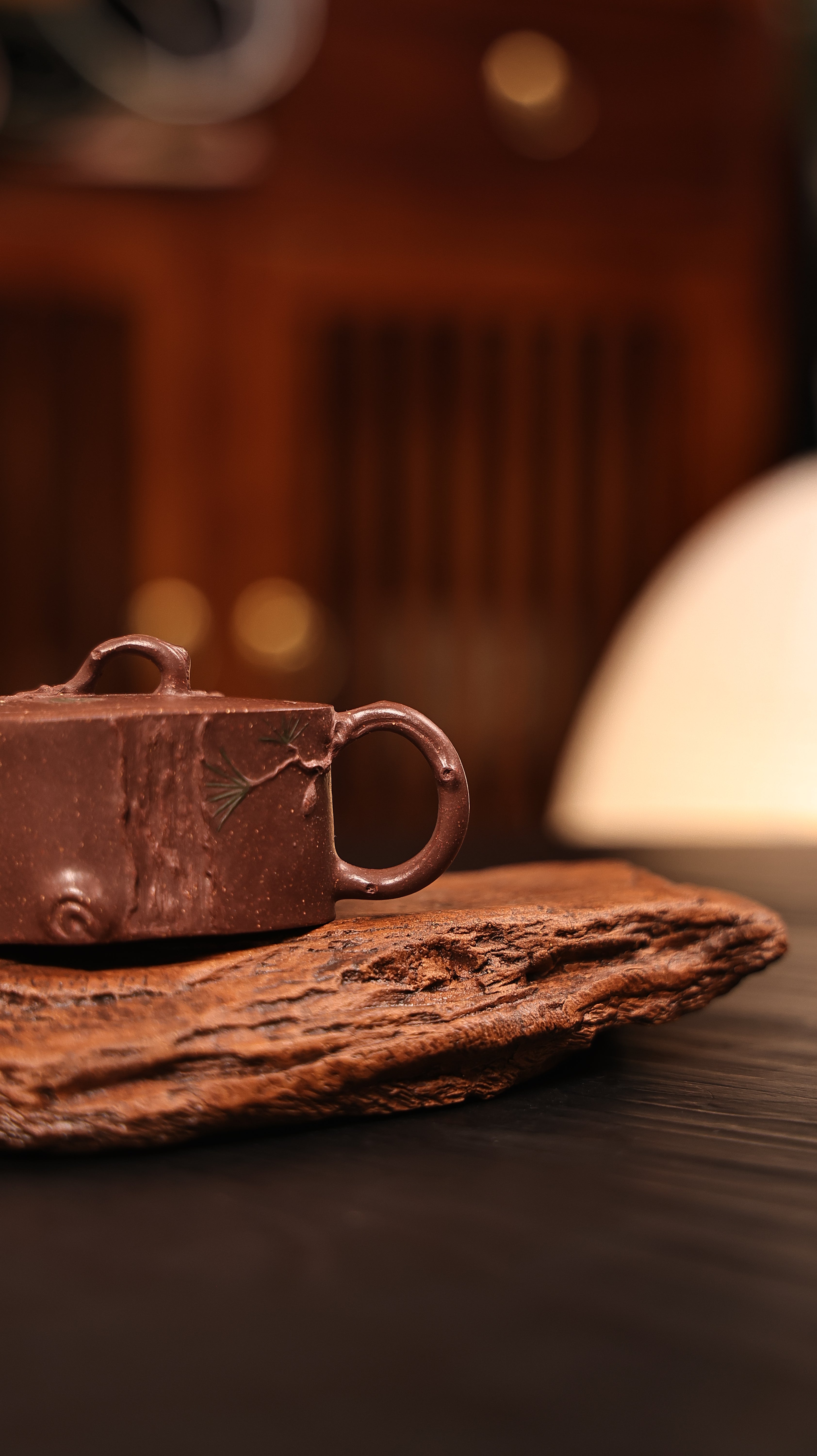
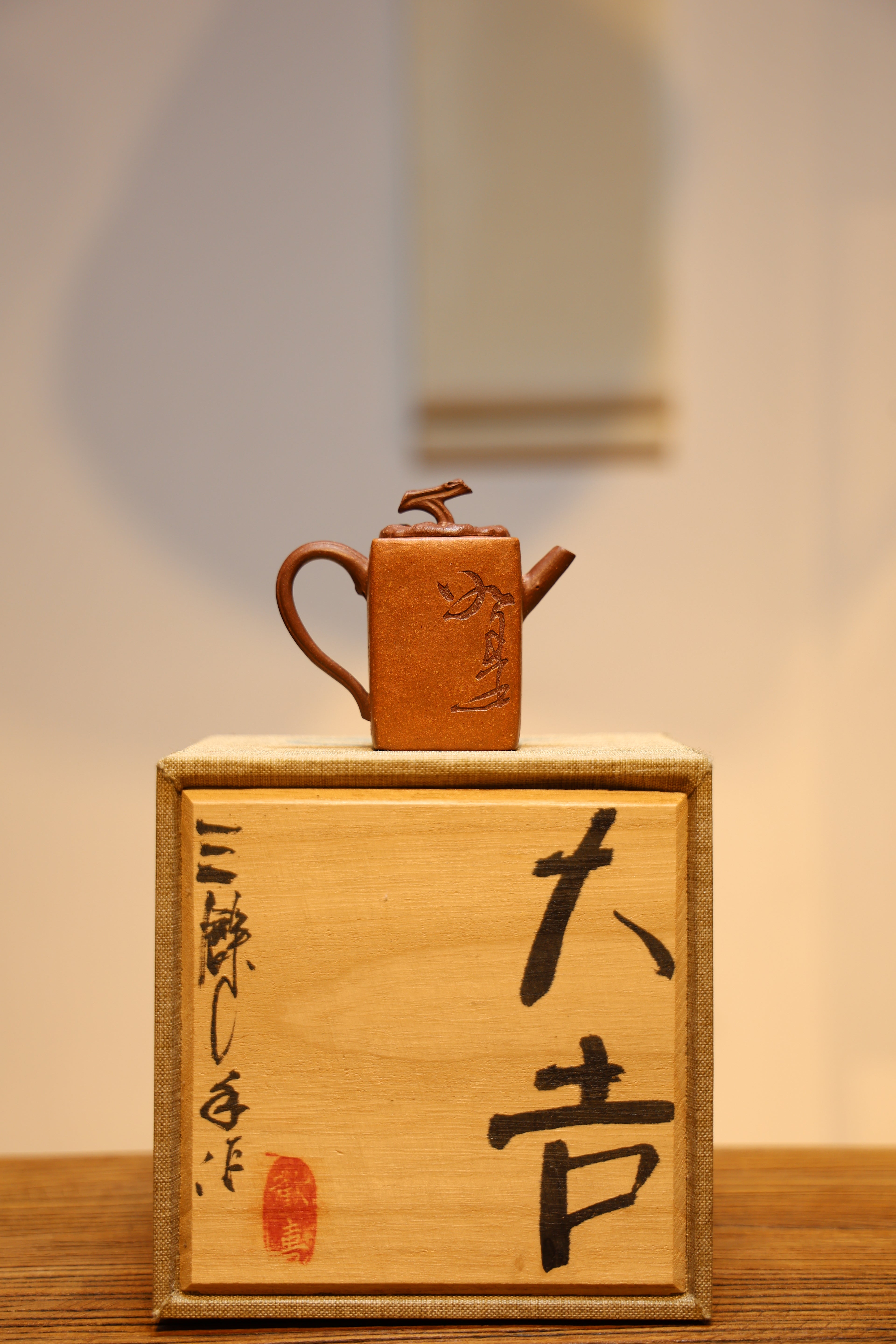
Following eras, admirers have been engaged by the distinctive charm of Yixing Zisha vessels. Originating from the territory of Yixing in the nation of China, these utensils are renowned for their illustrious beauty, rare clay, and inherent ability to improve the taste of the infusion. The earth's distinctive reddish-purple hue, combined with the talented handiwork of regional makers, creates artifacts that are as functional art and valuable investments. Obtaining a Zisha teapot is more than just such a purchase; it's inviting a rich ancestral heritage.
Grasping Yixing Teapots: Chronicles, Classifications, and Importance
The Yixing teapots represent a rich background deeply intertwined with Chinese culture. Developing in the Yixing region of Jiangsu province, these clay vessels feature a heritage going back to the Ming Dynasty. Original copyrightples were functional, but throughout centuries, Yixing teapot making evolved into an esteemed art form. The clay itself, known for its unique vitality and ability to boost the flavor of the tea, exists a defining factor. Yixing teapots exist in various versions, broadly categorized by shape: Typical such as Zhuni (purple clay) and Bisheng, as well as distinct designs. The price of a Yixing teapot is on several factors, including the potter’s distinction, the age of the piece, the rarity of the clay, and its aesthetic appeal.- Account: Prime eras
- Element: Bisheng
- Value Factors: Potter’s reputation
Zisha Craftsmanship: Methods and Makers
Unique construction of a genuine Zisha teapot is a sophisticated process, requiring periods of experience. Expert artisans meticulously choose the prime Zisha clay, a specialized earth found only in specific regions of China. Traditional techniques, often conveyed through families, involve exacting shaping, fine carving, and gradual firing in ancient calcining chambers. The ultimate teapot isn't merely a object; it's a testament to imaginative vision and the substantial connection between the maker and their lineage. Each object showcases the special touch of the craftsman, resulting in a truly rare work of expression.
Classical Ceramics: Surveying the Deep Practices of the Yixing Region
Historic Yixing, located in Jiangsu the district, is commonly renowned for its exceptional clay pots – a tangible representation of centuries of Chinese tradition. These aren't merely vessels for making tea; they are intricate Purple Clay Teapot works of creativity, often reflecting cultural ideals. That unique purple clay, known as Zisha, possesses uncommon qualities: it is dense, ventilated, and imparts a subtle flavor to the tea.
- Countless ancestries have honed the techniques of Yixing teapot making, passing down ancient methods through eras.
- Followers prize these pieces for their aesthetic and infrequency.
- Various teapot tells a history, connecting the imbiber to a rich lineage.
Acquiring Yixing Zisha: Crucial Elements
At the time of studying investing in Yixing Zisha clayware, countless criteria command careful assessment. Firstly, the material's tone is vital; authentic Zisha ordinarily exhibits a definite auburn hue. Furthermore, inspect the artistry; precise markings and a elegant overlay demonstrate expert production. To finish, copyrightine the craftsman's standing; well-known names obtain superior rates and often deliver a stronger yield.
How to Brew Premium Tea with Zisha Clay
Creating sumptuous tea with a Zisha jar is more beyond a simple procedure; it's an discipline. Zisha clay, celebrated for its unique mineral composition, imparts a elegant character to the prepared tea that’s often gone with other pots. The proper water heat is vital; typically, subdued than what's used for black tea, to conserve the tea's bouquet and palate. Consider thoroughly the tea type; delicate green teas or aged pu-erhs improve from the Zisha’s ability to ease their intrinsic edge. It’s important to purify the teapot preceding brewing, and to refrain from over-steeping. Mastering this approach leads to a truly exceptional tea episode.
- Knowing Zisha Clay
- Thermal Condition of Water & Tea Type
- Essence of Tempering
Sustaining Your Renowned Clay Pot
Intending to maintain the existence of your treasured Yixing container, careful protection is essentially necessary. Eschew using soapsuds; instead, gently spray it with hot H2O. Refrain from immediate fluctuations; refrain position the teapot directly onto a burning area. Periodically, enrich the clay pot by percolating it with excellent refined infusion, as this improves to improve its quality and safeguards the peculiar attributes of the medium.
From Earth to Receptacle: The Progression of a Traditional Pot
Such creation of a Zisha teapot is a notable procedure, a indication to both the land’s bounty and the mastery of the maker. It launches with the careful extraction of the singular clay from the burgundy Zisha mines near Yixing. This untreated material, known for its superlative characteristics, is then deliberately distilled and prepared for the primary forming. The jug's shape is carefully developed using a aggregation of traditional shaping procedures, often incorporating decorative designs. Following aging, the vessel undergoes a essential first firing, preceded by a polishing stage, which might involve multiple layers of organic Zisha layers. Finally, a second, and sometimes third, firing at strong temperatures solidifies the composition, revealing its final beauty and wonderful characteristics - a authentic masterpiece, set to beautify a tea tradition.
{Yixing Teapots: A Exemplar of a Culture and Appreciation
The Yixing region teapots, originating from the well-known Yixing region of Jiangsu province, are far more than mere receptacles for brewing elixirs; they represent a major aspect of Chinese civilization. Constructed from distinctive purple clay – zisha – these special teapots are highly admired for their ability to refine the flavor of the tea and, crucially, for their elegance. The chronicle of Yixing teapot making spans centuries, and the technique involved is entrusted through generations, making each teapot a cultural artifact that embodies lasting techniques and a profound appreciation for the pure pleasures in life.