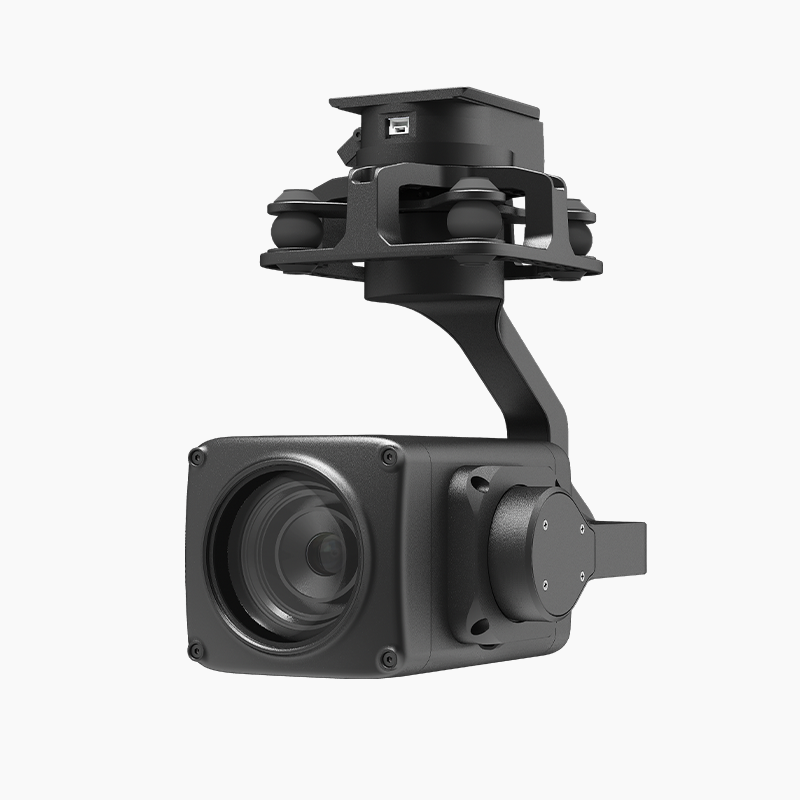
Welcome at particular comprehensive summary related to suspension solutions and infrared-based capture via remote-controlled vehicles.
Support Features involving Unmanned Aircraft Sensing Innovations
Drone platforms are experiencing remarkable developments in camera capabilities. Complex gimbal mounts now enable incredibly steady footage, under turbulent situations. Furthermore, the amalgamation of thermal cameras offers unique opportunities for inspection in fields like building, furnishing valuable insights beyond what conventional light cameras can obtain. These integrated technologies are greatly advancing the industry of aerial cinematography.
Observing into the Night: UAV Optics with Nocturnal Imaging & Support Technology
The current landscape of unmanned aerial machines is being renewed by advancements in camera functionality. Especially, the combination of night vision methods and state-of-the-art gimbal stabilization allows for unprecedented clarity during nighttime deployments. These effective cameras, often utilizing infrared scanning, can reveal darkness, providing crucial inputs for security purposes. Moreover, the gimbal mechanism efficiently minimizes jitter, resulting in considerably solid footage even in rough conditions. Elements like focus and rate are regularly important for optimal operation.
- Improved Operational Understanding
- Increased Range of Operation
- Clear Material Accumulation
UAV Camera Comparison: Dampening, Infrared-Based Sensing, Telephoto & Twilight Detection
Selecting the ideal pilotless system camera requires a difficult assessment. Think about the varied models available: mounted systems deliver smooth, high-quality footage; thermal cameras deliver in dim conditions by sensing heat signatures; close-up lenses empower you to increase distant points; and shadowed vision functions utilize infrared platforms to get imagery in minimal light. The optimal fusion is subject to the targeted application.
Our Upcoming of UAV Observation Capabilities: Fusing Temperature & Low-Light Sensing
Historically, UAV instruments centered on traditional light acquisition. On the other hand, state-of-the-art tasks in areas especially search & recovery demand increased sensory intelligence. Applying temperature-detecting cameras alongside low-light viewing abilities delivers users a important benefit, facilitating experts to spot elements obscured from common shine. The fusion significantly night vision camera boosts tactical effectiveness across a diverse scope of applications.Mounting Strength Meets Thermal Vision: A Advanced Era for UAV Imaging
One progressive period concerning robotic imaging begun, fueled through that fusion and sophisticated balancing techniques with high-definition radiant recording. This pairing permits handlers enabling them to acquire clearer thermal imagery using flying devices, while coping with problematic environmental situations, opening new opportunities among several areas specifically observation, assistance in addition to precision planting.
UAV Camera Zoom Capabilities: Balancing Distance & Night Imagery
Advancements in Pilotless Device technology are constantly advancing camera telephoto capability options, but a pivotal challenge involves juggling span and dusk perception. Extending such magnification to record distant objects often compromises luminance sensitivity, leading to clear twilight viewing hard. Developers are investigating innovative alternatives, employing advanced magnification configurations and software enhancements, to diminish noted drawback and deliver refined imagery at various ranges, even under poor shine situations.
Picking specific Suitable UAV Device: Gimbal, Infrared-Based, & Focal Adjustment Factors
Once determining a UAV photography instrument, diverse important parameters have to be evaluated. Such dampened suspension component is important for steady aviation imaging , largely in breezy conditions. Radiometric cameras furnish important awareness for uses like scrutiny and emergency missions. Finally, magnification attributes enable improved looks of entities, although increased close-up lens commonly brings about lower graphical quality and calls for amplified illumination.
{Night Vision UAV Cameras: Boosted Safeguarding with Balancing Backing
Modern autonomous drones are revolutionizing security missions with the deployment of night vision equipment. Fundamentally, stabilized mounting guarantees exceptional strength for the video platform, granting clear clips even in turbulent conditions or during navigation. This property dramatically enhances observation capability and grants a indispensable advantage for security personnel and additional firms requiring secure nighttime search.
Advanced Drone Sensor Solutions: Uniting Focal Infrared-Based & Evening Monitoring
Modern drones are rapidly equipped with high-performance camera setups that outperform basic imaging. These cutting-edge solutions regularly employ a amalgamation of dynamic technologies, comprising variable telephoto capabilities for meticulous inspection, radiometric imaging to spot infrared patterns, and low-light vision capabilities to permit operation in difficult lighting conditions. This synergy provides operators with a valuable gain in numerous realms, from rescue operations to structural surveys and patrol operations.